A no-pull dog harness is a training tool before it is a fashion choice. Get the fit right and a front clip gives you real leverage on a dog that leans into the leash. Get it wrong and even a well-built harness slides sideways, rubs behind the front legs, and quietly teaches the dog that pulling still works. That is why a no-pull dog harness has to be judged on four things before anything else: where the leash attaches, how the strap webbing sits across the chest, what the buckle hardware is made of, and whether the thing is sold in a size that actually matches your dog.
The six harnesses in this roundup cover two different jobs. Three are chest or no-pull designs built around clip placement and leash attachment points. Three are step-in air vests sold in named sizes and colors. None of them is a one-size product, which matters more than most buyers expect. A harness that does not fit is not a bargain at any price, and a harness that fits a deep-chested dog can hang loose on a narrow one. This guide sticks to fit, clip placement, and construction. It is not a substitute for training. The harness gives you control; it does not teach the dog anything on its own.
Related: How to Fit a Dog Harness: The Five Fit Points That Decide Everything
Quick answer
The Ruffwear, Front Range Dog Chest Harness, River Rock Green, Medium is the strongest fit for everyday walking with a dog that leans into the leash because it is a chest-style harness from a training-community brand and is listed in one specific size instead of a one-size-fits-most claim. Choose the rabbitgoo Dog Harness, No Pull for Large Dogs with 2 Leash Clips, Pet Vest instead when you want a no-pull design built around two leash clips rather than a single attachment point.
Dog harness features worth comparing
Four features decide whether a harness works on a dog that pulls, and all four are visible in the product listings if you know where to look.
Leash attachment points. A single attachment point gives you one option. Two clips give you a choice between a chest-side attachment and a back attachment, which is the difference between steering a dog and being towed by one. For a dog over roughly forty pounds that pulls, the attachment point is the whole point of the purchase. Look for hardware, not a stitched loop of webbing, at the point where the leash clips on.
Strap webbing and padding. Wider webbing spreads load across a bigger area of the chest and shoulders. Padding only helps if it stays where it is stitched. Padding that migrates after a month of walks rubs in new places and is worse than a plain strap, because you stop checking it.
Buckle hardware and fit points. Buckles take the load on every leash correction, and a plastic buckle under repeated stress is the failure point on an otherwise decent harness. The fit points matter just as much: a harness needs adjustment at the chest and at the girth so you can tune it to a deep-chested dog without leaving slack behind the front legs.
The shape of the harness itself. A step-in vest goes on by having the dog step into the leg openings, which suits dogs that dislike having gear pulled over their heads. A chest harness goes on over the head or over the shoulders and typically carries more structure. Neither shape is automatically better. The one that fits your dog without twisting is the better one.
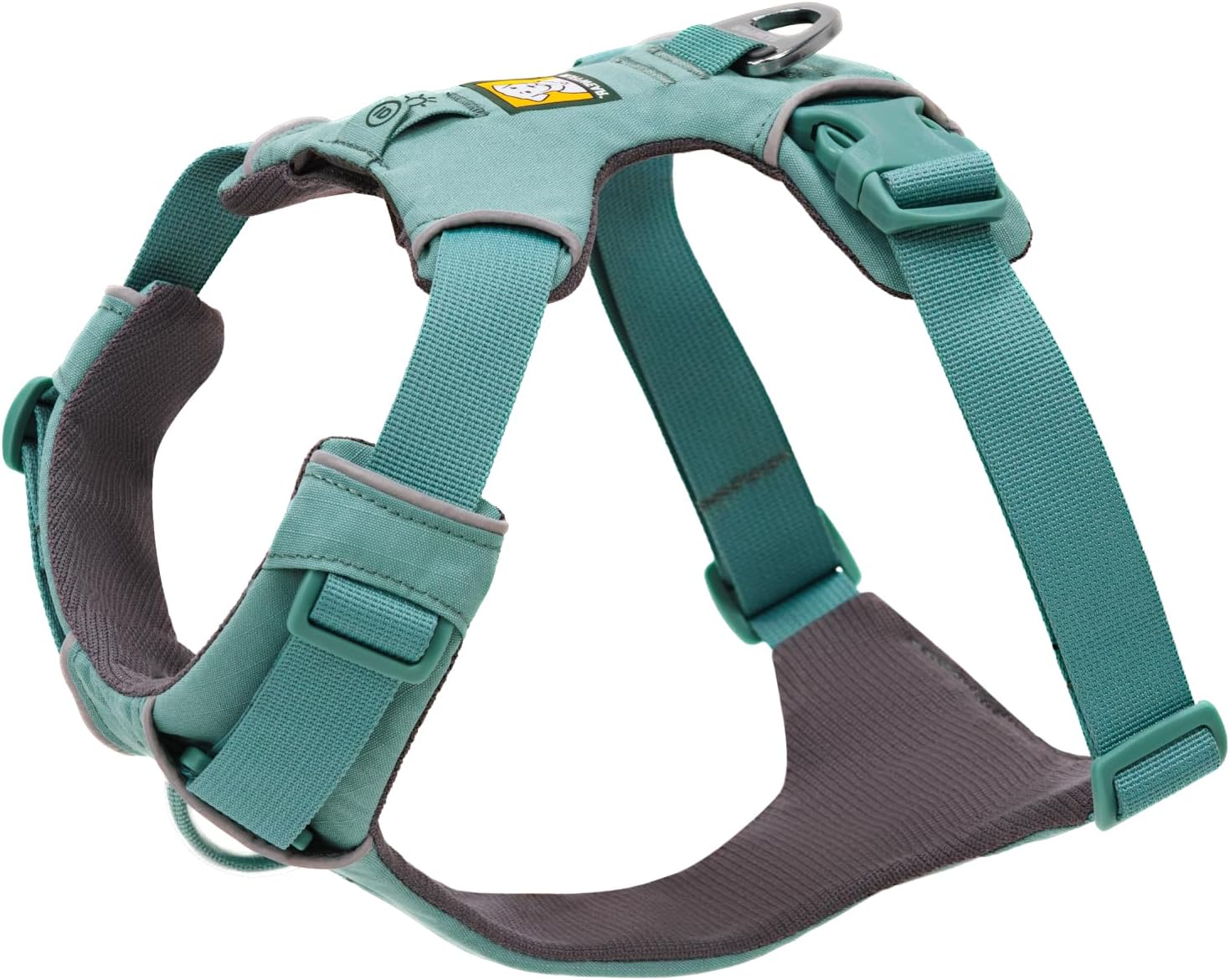
Ruffwear, Front Range Dog Chest Harness, River Rock Green, Medium
A chest-style harness from Ruffwear, listed in River Rock Green and in size Medium. Ruffwear is one of the brands the training community names first, and this listing is sold in a specific size rather than a one-size claim.
Visit on Amazon
rabbitgoo Dog Harness, No Pull for Large Dogs with 2 Leash Clips, Pet Vest
Listed as a no-pull harness for large dogs with two leash clips, so there is more than one attachment point to choose from. The two-clip layout is what separates it from the step-in vests below.
Visit on Amazon
Voyager Step-in Air Dog Vest Harness - Blue, Large
A step-in air vest harness in Blue, size Large. The step-in design means the dog steps into the harness rather than having it pulled over the head, which many dogs prefer.
Visit on Amazon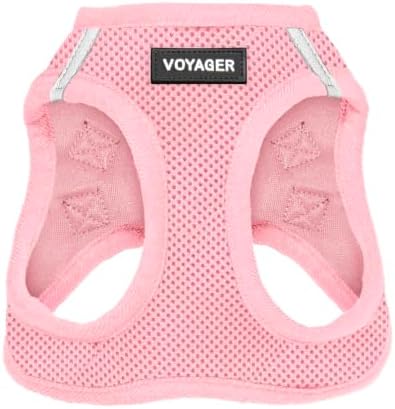
Voyager Step-in Air Dog Vest Harness - Fuchsia, Small
The same step-in air vest pattern in Fuchsia, size Small, for dogs at the low end of the size range where a Large would slide and gap.
Visit on Amazon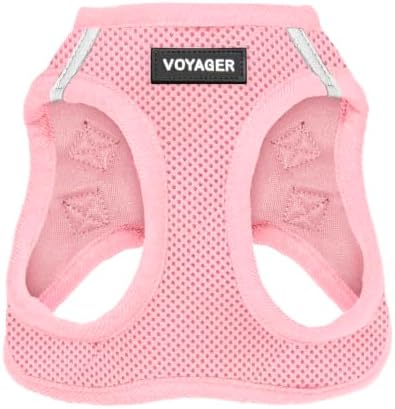
Voyager Step-in Air Dog Vest Harness - Baby Blue, Medium
Step-in air vest harness in Baby Blue, size Medium, sitting between the Small and Large listings on the same pattern.
Visit on Amazon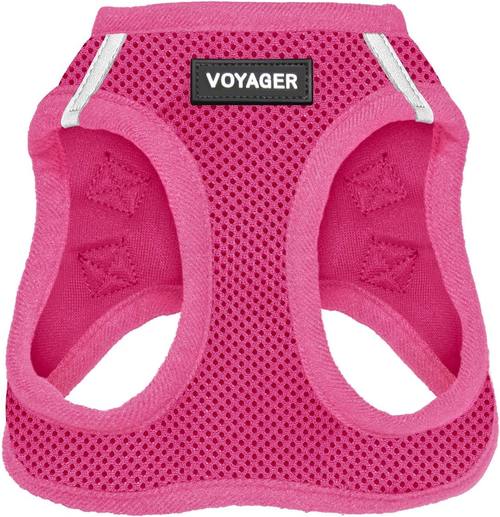
Voyager Step-in Air Dog Vest Harness - Fuchsia, Medium
Step-in air vest in Fuchsia, size Medium. Compared with the other Voyager listings here, the color and size name are the only differences shown.
Visit on AmazonPrices and availability may change. Check the retailer for current details.
How these products were compared
This guide compares leash attachment and clip placement, harness shape (chest harness versus step-in vest), strap webbing and padding, the size and color range each listing is sold in, and the brand's standing in the training community. Product names, images, and retailer links are matched by their retail identifiers so that every card points to the product shown.
The comparison rests on the listed product information for each harness, not on bench testing. Treat the summaries as a starting point for your own fit check, because a harness that works on one dog's body type can sit badly on another. No price is printed here, and none should be taken as current. Use the retailer link on the card you are considering to confirm the current price, availability, and return terms before you buy.
How to choose the right dog harness
Start with the dog, not the harness. Measure the girth just behind the front legs where the harness will sit, then measure the chest depth from the top of the shoulder down to the same line. Those two numbers tell you which size tier you belong in, and they explain why the same harness can be perfect on a lean dog and hopeless on a barrel-chested one. If your dog sits near a size boundary, choose based on the chest measurement rather than the neck, because the chest is where the load lands.
Then decide which of the two shapes fits your routine. A step-in vest like the Voyager listings is quick to put on a dog that does not like gear coming over its head, and it comes in tiers from Small through Large, which makes it easy to match a specific dog. A chest harness like the Ruffwear Front Range carries more structure across the chest and shoulders, which is what you want if the dog leans hard into the leash on every walk. If your dog pulls and weighs more than about forty pounds, treat the number of leash attachment points as the deciding feature and work from there.
One more consideration that buyers skip: match the harness to the job. A walking harness and a car harness are separate purchases, and pretending one product does both is how people end up with a harness that fits badly in both places. If you already have a walking harness that fits, the second purchase should be a purpose-built restraint for travel, not a duplicate of what is on the hook by the door.
Ruffwear, Front Range Dog Chest Harness
The Front Range is listed as a chest harness in River Rock Green, size Medium. That combination, a named size from a brand the training community names first, is why it takes the top pick here. Chest harnesses carry their structure across the front of the body, which is the area that takes the pressure when a dog pushes forward, and Ruffwear has spent years building gear for working and outdoor dogs rather than for a trend cycle.
The trade-off is honest: this is a single listing in a single size and color, so it demands that you know your dog's measurements before you order. It also asks more from your training routine, because a chest harness rewards a handler who uses the attachment points deliberately. If you want a harness that goes on in two seconds and comes in three size tiers with color options, the Voyager step-in vests below are the better starting point. If you want one harness to serve as your daily walking tool on a strong dog, this is the one to measure for first.
Alternatives to consider
The rabbitgoo Dog Harness, No Pull for Large Dogs with 2 Leash Clips, Pet Vest is better suited to a large dog that pulls and a handler who wants two leash clips to work with, since the listed design is built around a no-pull layout for bigger dogs. It sits in the middle of this group on structure: more purpose-built than a plain step-in vest, less of a commitment than a single-size chest harness.
The Voyager Step-in Air Dog Vest Harness listings cover the rest of the field, and the difference between them comes down to size and color. The Blue, Large version suits a bigger dog at the top of the size range. The Fuchsia, Small version fits a dog at the bottom of the range where a Large would gap and slide. The Baby Blue, Medium and Fuchsia, Medium versions sit in between on the same pattern, and the color choice is the only thing separating them.
Day-to-day use and maintenance
Fit the harness snug, then check it again after five minutes of walking. A correctly adjusted harness sits high on the chest, clear of the point of the shoulder, with two fingers of room at the girth strap and no slack that lets the chest strap drop into the armpit. Slack is what causes rubbing, and rubbing is what makes owners decide a harness "does not work" when the real problem was an adjustment.
Wash harnesses by hand or on a gentle cycle according to the manufacturer's instructions, and air dry them rather than putting them through a hot dryer. Hardware, stitching, and padding all last longer that way. Check the webbing at the attachment point and the buckle every couple of weeks, especially on a dog that hits the end of the leash hard. The first sign of a problem is usually fraying right where the leash clips on, and that is a replace-the-harness moment, not a keep-using-it moment.
Never leave a harness on a dog that is unsupervised or crated, and never use a walking harness as a tie-out. A harness is only as strong as the handler holding the other end of the leash.
Buying checklist
- Measure the girth behind the front legs and the chest depth before choosing a size.
- Choose the attachment layout based on your dog's normal walking behavior, not an occasional edge case.
- Confirm that the exact listing includes the number of leash clips you need.
- Read the cleaning and maintenance instructions so the padding and webbing survive the first year.
- Verify the current retailer price, availability, and return terms through the product link.
Final recommendation
Choose the Ruffwear, Front Range Dog Chest Harness, River Rock Green, Medium when you have measured your dog, you want a chest harness from a brand the training community trusts, and you are ready to use clip placement as part of a real walking routine. Choose the rabbitgoo Dog Harness, No Pull for Large Dogs with 2 Leash Clips, Pet Vest when your dog is large, pulls, and you want two leash clips to work with. Choose a Voyager step-in air vest when quick on-and-off and a specific size tier matter more than structure. And if none of these listings matches your dog's measurements, buy nothing yet. A harness that does not fit is the one purchase in this category that never pays off.