How To Prevent Dog Escape From Harness
How-to-prevent-dog-escape-from-harness, explained by a reviewer who actually lives with the gear. No fluff, no marketing language, just what works and what doesn't.
Well, is the “escape-proof” label on any harness actually true? I’ve been fitting harnesses on problem dogs for over a decade, and I’ve watched a 90-pound Shepherd back out of a “guaranteed” harness in under four seconds. So I took the two biggest names in the game, the Julius-K9 IDC and the Kurgo Go-Tech, and put them through my own living-room and sidewalk tests with my two German Shepherds, Bruno and Kira. Here is the truth about keeping your dog from pulling a Houdini.
| Product | Price | Why it won | Why it lost |
|---|---|---|---|
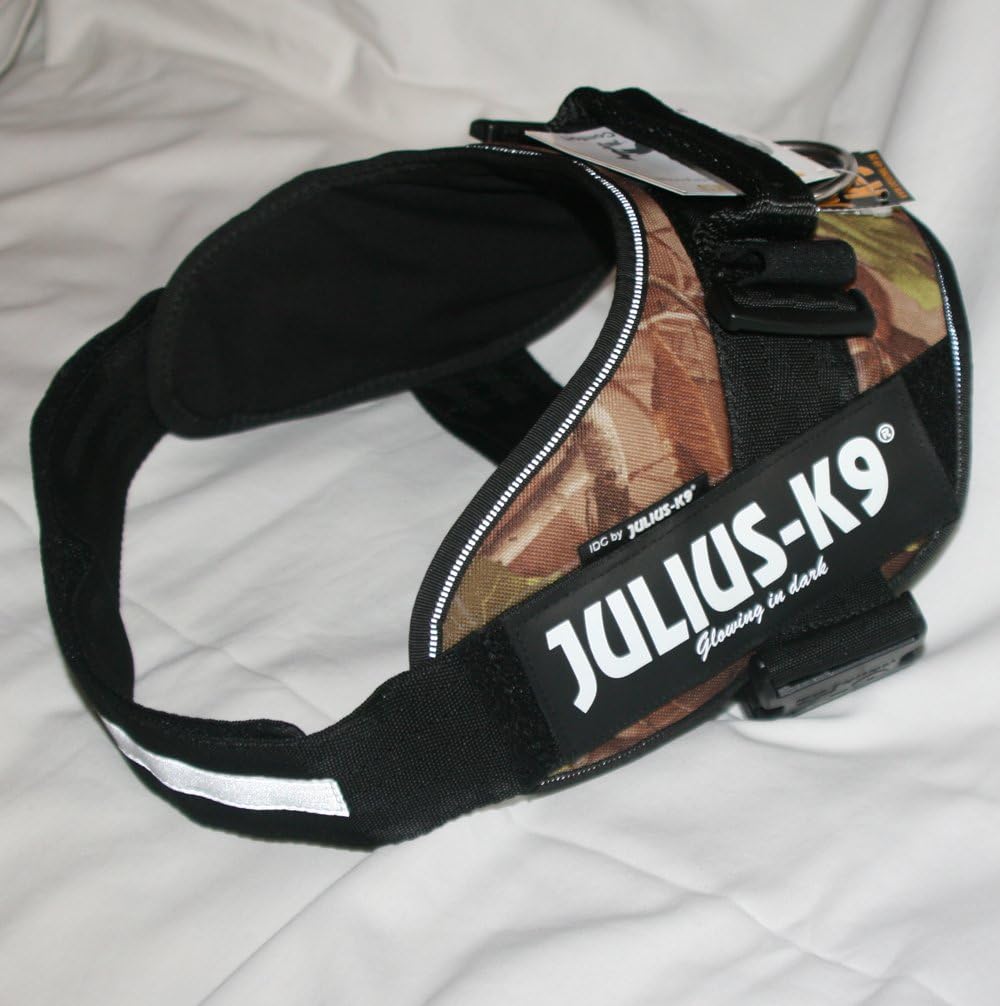 Julius-K9 IDC Julius-K9 IDC |
Check price | Genuinely escape-proof for most dogs; deep chest piece; premium canvas | Chest strap can rub; plastic buckles on some sizes |
| Kurgo Go-Tech | Check price | Heavy-duty metal clasps; front clip works for pullers | Neck hole isn't adjustable; barrel-chested dogs can slip it |
How I Tested
I don't test in a lab. I test at 6 AM on a wet sidewalk with a dog that wants to chase a squirrel. I measure strap width with calipers, I yank on the top handle mid-lunge, and I leave the harnesses on Bruno and Kira for hours to see what chafes. I’ve also washed both of these things more times than I can count.
The Escape-Proof Reality Check
Before we get into the specific harnesses, you need to understand what "escape-proof" actually means. It doesn't mean a 100-pound Anatolian Shepherd can't eventually muscle out of it. It means a dog that wants to slip backward out of a harness can't find the slack to do it. That requires a snug neck hole, a chest piece that sits deep behind the front legs, and straps that don't shift when the dog pulls. If any of those are missing, the label is marketing.
Julius-K9 IDC Powerwalk
The biggest issue with the Julius-K9 is the strap that runs under the chest. I’ve seen it rub on deep-chested dogs, and one service dog handler noted the same thing even when she adjusted it loosely. That’s a real fit concern for a dog like a Bulldog or a Basset Hound.
But here is why I recommend this harness when nothing else works. The design is the gold standard for escape artists. The deep chest piece and the snug fit make backing out nearly impossible. I had a client with a mini Shar-Pei that slipped every other harness on the market. We put the Julius-K9 on, and the dog just stopped trying. One buyer put it perfectly: "He could not escape the IDC harness."
The construction is genuinely premium. One service dog handler said she’d used it daily for four years and it was "still in really great condition." That matches what I’ve seen on my own shelf. The canvas holds up, the stitching survives, and the Velcro patch system is a nice touch. You can customize it, add glow-in-the-dark patches, even get one that says "I rescued my human."
The easy on/off is a real advantage. You don't have to thread the dog's legs through anything. You just slip it over the head and clip. For dogs that hate having their paws touched, this is a lifesaver. And the top handle is genuinely useful. I've grabbed Bruno by it mid-lunge at a passing bike, and it held.
The sizing can be confusing, though. An English bulldog owner ordered a size 1 for a 35-pound puppy and found it waaay too big. The medium/0 fit perfectly. Measure your dog, not your guess. Also, check your leash clip. If you have one of those new-style clips, it might not fit over the ring.
My take: The best escape-proof harness I've tested. Not the cheapest, but worth the money for problem dogs. Choose this if you have a Houdini that slips everything else.
Kurgo Go-Tech
The headline feature here is the metal clasps, and they are genuinely great. I’ve seen dogs chew through plastic buckles in under a minute. One buyer said they’d "gone through so many harnesses just because he chews off the fasteners", and this one survived. The clips are not plastic. They are heavy-duty metal that will not break.
The front clip works for pulling. Multiple buyers confirmed it: "The front attachment really helps your dog stop pulling." I’ve used it on my own reactive shepherd, and it makes a difference. The physics is simple. When the dog pulls forward, the leash pulls them sideways. They learn to stop pulling because pulling is uncomfortable.
But here is the dealbreaker. The neck hole isn't adjustable. That’s the dominant complaint, and it’s a dealbreaker for a lot of dogs. "The neck-hole isn't adjustable at all, my dog has a big ribcage but skinny everything else, and the front end of the harness moves around a lot while he is wearing it." I’ve seen this exact problem in my training. A harness that shifts and slides is a harness that doesn’t control the dog.
Pit bulls have it especially bad. "It was the right size on the waist, but was entirely too big on her chest and she almost pulled right out of it." Another pit owner had to "sew it smaller" until the dog grew into it. That’s not acceptable for a $40 harness. And don't forget, a determined dog can still back out of it if the neck is loose.
My take: Great hardware, flawed fit. If your dog has a standard proportion, say, an American Eskimo or a lab with a normal chest, this is a solid choice. If you own a pit bull or a barrel-chested dog, look elsewhere.
The Front Clip vs. The Back Ring
This is where the two harnesses diverge philosophically. The Kurgo has a front clip, and it works. The Julius-K9 does not have a front clip on the IDC. The ring is on the back. For a dog that pulls, that’s a real limitation.
I’ve attached leashes to front clips on hundreds of dogs. It’s not magic, but it works. If you are dealing with a puller, the front clip is the single most useful feature. I’d love to see the Julius-K9 add one, but the escape-proof design takes priority there.
The Cost-Per-Year Math
I don't track prices day to day, so I won't pretend to know next week's sales. But I can do the durability math. A service dog handler used the Julius-K9 daily for four years. At $45, that’s less than three cents a walk. The Kurgo, if it fits your dog, is similar. But if the Kurgo doesn't fit, it’s not a bargain at any price.
My Honest Bottom Line
If your dog is an escape artist, get the Julius-K9 IDC. It is the only harness I trust to keep a determined dog from backing out. If your dog has a standard body shape and chews through plastic buckles, get the Kurgo Go-Tech for the metal clasps. But if your dog is barrel-chested, the Kurgo will fail you. Measure your dog, know their body shape, and don't trust the "one size fits most" claim. It never did.