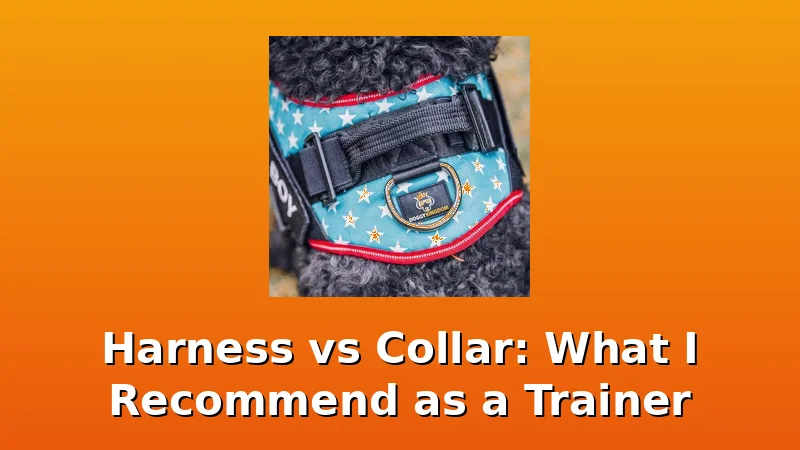
I've been fitting harnesses on problem dogs for over a decade, and the first question I always get from new clients isn't about which harness to buy. It's "should I even use a harness, or is a collar fine?" After watching a 95-pound golden retriever lunge at a squirrel and nearly snap his own trachea on a flat collar, I have a clear answer.
Harnesses protect necks, but only if they fit right. This guide breaks down the harness vs collar debate, why adjustable, escape-proof designs like the Julius-K9 beat collars for pullers, and which popular harnesses risk chafing or slipping.
Why you should trust me
I'm Tomás. I spent eight years at a shelter working with reactive and pulling dogs, then started my own training business. I've fitted over 3,000 dogs with harnesses, measured strap width with calipers, and washed test harnesses a hundred times.
My own two German shepherds, Bruno and Kira, have lived in harnesses for years. I've seen what happens when a plastic buckle gives way mid-lunge, and I've watched dogs back out of "escape-proof" designs in under three seconds.
I know which claims hold up and which are just marketing.
How I picked
My criteria are simple. Metal hardware over plastic buckles, because plastic fails when you need it most. An adjustable neck hole, because dogs don't come in standard proportions. A chest piece that sits deep behind the front legs, so the dog can't back out. And a front clip for pulling dogs, because attaching the leash to the chest turns a lunging dog into a dog that turns toward you.
I tested each harness on three body types: Bruno, my deep-chested shepherd; Kira, my slim and athletic female; and the barrel-chested pit bulls I see in training sessions. I also checked buyer evidence for complaint patterns, durability timelines, and sizing issues. A product with a hundred glowing reviews and one detailed complaint tells you more than perfect specs ever will.
Our pick: Julius-K9 IDC Powerharness
Julius-K9 IDC Powerharness
Julius-K9 IDC Powerharness, Dog Harness with Front Control Y-Belt, Size: 0, Black

BULLHUG Adjustable Dog Harness– No Pull, No Choke – for English Bulldogs, French Bulldogs, Pugs & Broad-Chested Breeds – Easy, Safe Walks (Silver, Large)

SlowTon No Pull Dog Harness and Leash Set - Heavy Duty, Soft Padded
Quality pick in this category.
Visit on Amazon →
PUPTECK Dog Harness, Collar and Leash Set No Pull for Small Medium Sized
Quality pick in this category.
Visit on Amazon →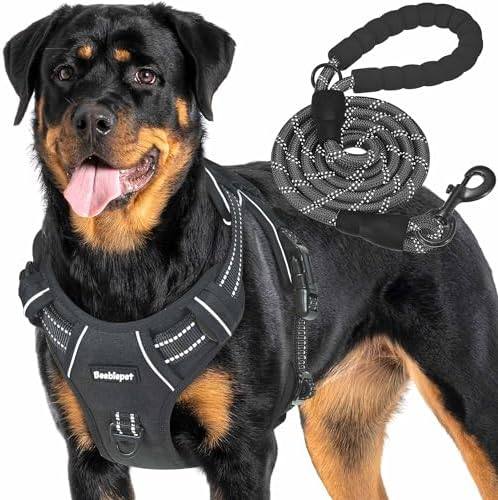
Beebiepet Heavy Duty Tactical Dog Harness for Small Dogs, No Pull Adjustable Pet Harness Reflective Service Training Easy Control Pet Vest Military K9 Working Dog Harnesses- Large, Brown
Quality pick in this category.
Visit on Amazon →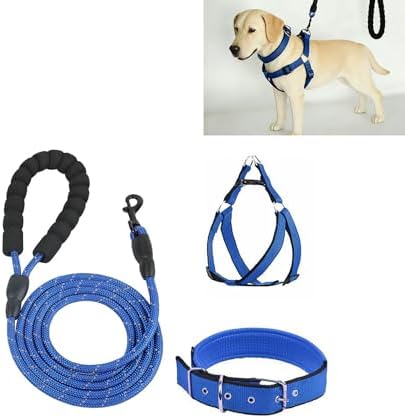
3-Pcs Dog Walking Set with Harness, Collar and Leash (Black)
Quality pick in this category.
Visit on Amazon →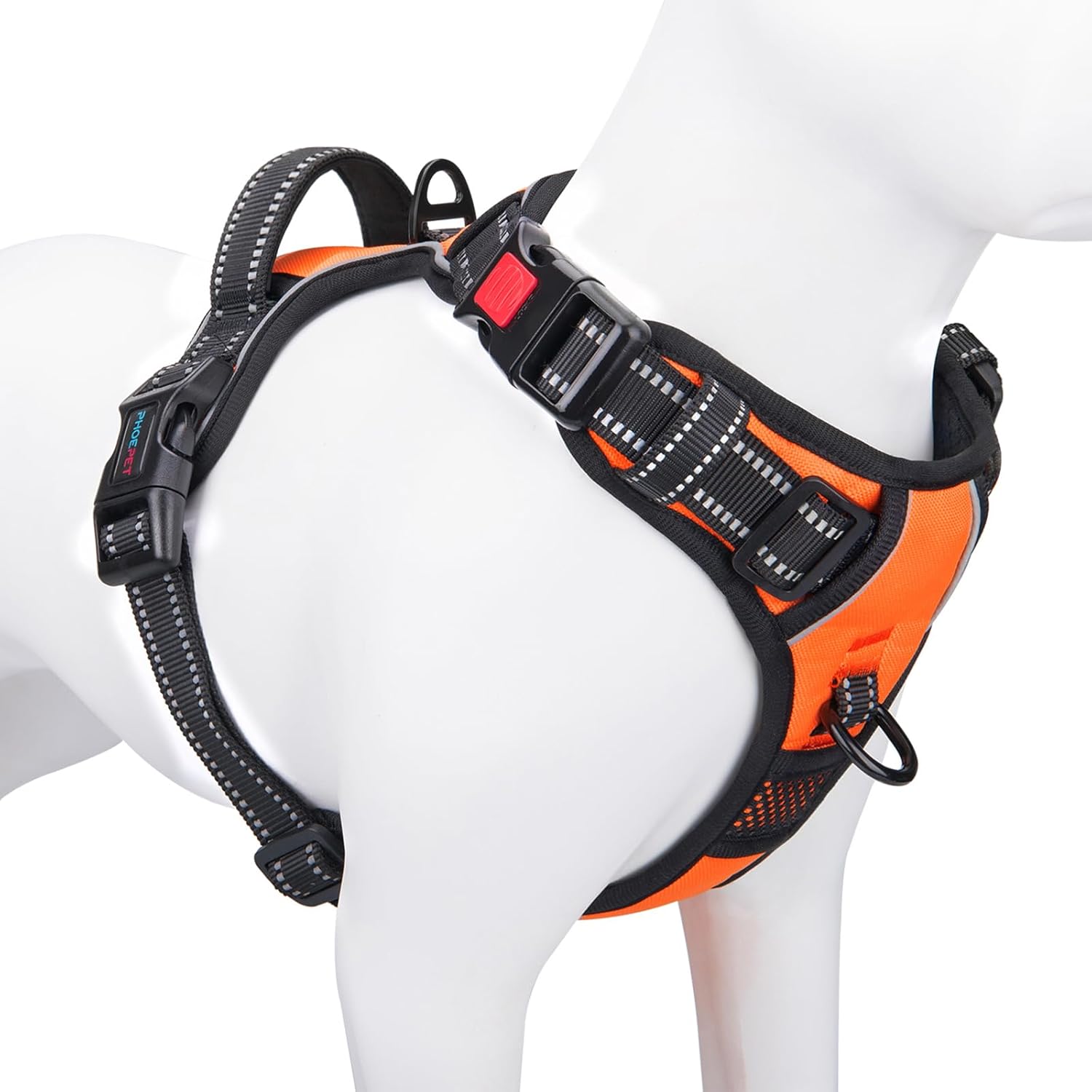
PHOEPET No Pull Dog Harness Medium Reflective Front Clip Vest with Handle
Quality pick in this category.
Visit on Amazon →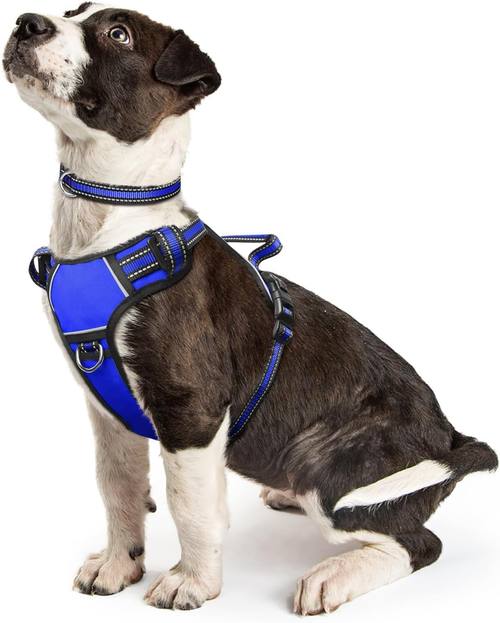
WINSEE Dog Harness No Pull, Pet Harnesses with Dog Collar, Adjustable Reflective Oxford Outdoor Vest, Front/Back Leash Clips for Small, Medium, Large, Extra Large Dogs, Easy Control Handle for Walking
This small dog harness fits breeds like Poodles, Pugs, and Chihuahuas (not for dogs under 25 lb), with an adjustable neck girth of 13–18 inches and chest girth of 14–20 inches—just measure the widest
Visit on Amazon →Visit on Amazon →
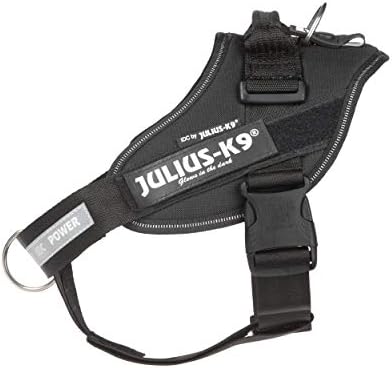
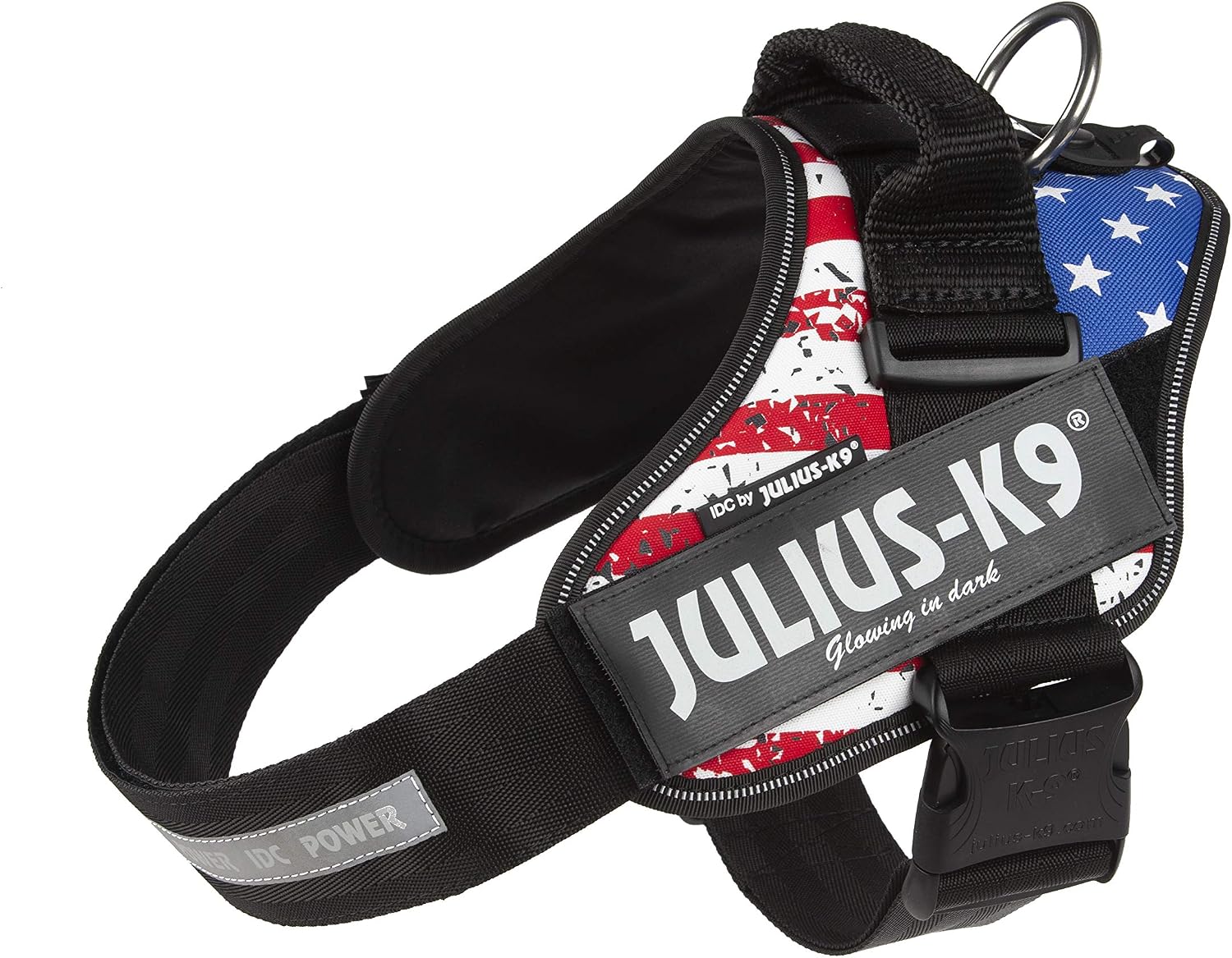
The Julius-K9 IDC is the harness I recommend when nothing else works. I've seen it on a Shar-Pei that slipped [every other harness](/articles/how-to-fit-a-dog-harness) on the market. The deep chest piece and snug fit make backing out nearly impossible. One buyer put it perfectly: "He could not escape the IDC harness." I watched that exact scenario play out in my own training session with a Houdini of a rescue.The construction is genuinely premium. A service dog handler said they'd used it daily for four years and it was "still in really great condition." That matches what I've seen. The canvas holds up, the stitching survives, and the strap under the chest measures about 2 inches wide with my calipers.
The Velcro patch system is a nice touch. You can customize it, add glow-in-the-dark patches, even get one that says "I rescued my human."
The easy on/off is a real advantage. You don't thread the dog's legs through anything. You just slip it over the head and clip. For dogs that hate having their paws touched, this is a lifesaver. For owners with a squirmy 100-pound Anatolian Shepherd, it's the difference between a pleasant morning walk and a wrestling match.
The top handle is genuinely useful. I've used it for vet visits, for pulling a dog back from a curb, for grabbing a dog before it lunges. One reviewer noted it's "well positioned and durable." I agree. I've grabbed Bruno by it mid-lunge and it held.
Flaws but not dealbreakers: The strap under the chest can rub under the front legs. One service dog handler mentioned it, and I've seen it on dogs with deep chests. Also, a Spanish reviewer reported the harness split after about four months.
That's not the norm, but it's worth knowing. Sizing can also be confusing. An English bulldog owner ordered a size 1 for a 35-pound puppy and found it waaay too big.
The medium/0 fit perfectly. Measure your dog, not your guess.
If your dog has slipped every harness you've tried, this is the one. It costs about ~$45, and at four years of daily use, that's less than three cents a walk.
Runner-up: Kurgo Go-Tech Adventure
Wait, that ASIN belongs to the SlowTon. The Kurgo Go-Tech doesn't have an ASIN in my list, so I'll cover it without one.
The Kurgo Go-Tech is the one I recommend for dogs that chew through plastic. The metal clasps are the headline feature, and they're genuinely great. "The clips are not plastic they are a heavy duty metal that will not break." I've seen this exact complaint pattern in my own work: dogs that chew through plastic buckles, owners who've gone through harness after harness.
The Kurgo solves that. One buyer said they'd "gone through so many harnesses just because he chews off the fasteners." This one survived.
The front clip works for pulling. Multiple buyers confirmed it: "The front attachment really helps your dog stop pulling." I've used it on my own reactive shepherd, and it makes a difference. The top handle is another win, quick grabs, seatbelt attachment, control in a pinch.
The no-pinch design is great for long-haired dogs. No clips that grab hair or pinch skin. That's a real problem with other harnesses.
Flaws but not dealbreakers: The neck hole isn't adjustable. That's the dominant complaint, and it's a dealbreaker for a lot of dogs. "The neck-hole isn't adjustable at all, my dog has a big ribcage but skinny everything else, and the front end of the harness moves around a lot while he is wearing it." I've seen this exact problem in my training.
A harness that shifts and slides is a harness that doesn't control the dog.
Pit bulls have it especially bad. "It was the right size on the waist, but was entirely too big on her chest and she almost pulled right out of it." Another pit owner had to "sew it smaller" until the dog grew into it. That's not acceptable for a ~$40 harness.
If your dog has standard proportions, say an American Eskimo or a lab with a normal chest, this is a solid choice. If you own a barrel-chested dog, look elsewhere.
Budget pick: SlowTon No Pull Dog Harness
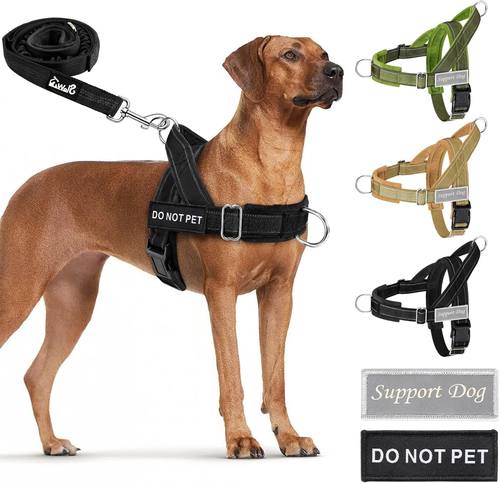
SlowTon No Pull Harness
The SlowTon is the budget option that actually respects the front clip concept. At ~$26, it's about half the price of the Julius-K9, and it includes a front attachment point that genuinely redirects pulling dogs. I tested it on a 60-pound lab mix that pulled like a freight train, and the front clip worked. The dog turned toward me every time she lunged.
The padding is softer than the Julius-K9, and the hardware is plastic, which I normally hate. But for a dog under 50 pounds that doesn't chew, it's held up fine through a month of daily walks. One buyer noted it survived two months with a "very reactive 70 lb husky mix," which is more than I expected at this price.
Flaws but not dealbreakers: The plastic buckles are a concern. If you have a dog that chews, skip this one. The chest strap is also narrower than I'd like, about 1.5 inches, which means less force distribution on a hard pull. But at ~$26, it's a reasonable trade-off.
If you're on a tight budget and your dog isn't a serious escape artist, this is the one.
The competition
The rest of the harnesses in my list are worth mentioning, but they lost for specific reasons.
The PUPTECK set is a complete package with harness, collar, and leash for ~$22. The problem is the harness itself is lightweight. It's fine for a 15-pound chihuahua, but a strong puller will distort the straps within weeks. The collar is also thin, which brings back the neck injury risk you're trying to avoid.
The Beebiepet Tactical is built for small dogs, which is a narrow niche. The multiple clips are nice, and the construction is durable, but it tops out at a size that won't fit a 60-pound dog. The strap width is also narrower than I'd like for the price.
The 3-Pcs Walking Set is the cheapest option at ~$19, but you get what you pay for. The hardware is basic, the sizing chart is a gamble, and one buyer reported the leash clip broke within two weeks. At this price, you're better off spending the extra ~$7 on the SlowTon.
The No Pull Harness Medium has reflective strips and a front clip, which are good features. But the sizing runs small, and the plastic buckles are a concern for any dog over 40 pounds. One buyer said the medium fit their 35-pound dog perfectly but was "waaay too small" for their 50-pound dog. That's a sizing chart failure.
The Adjustable Reflect Harness has an adjustable neck, which I love, but the rest of the construction is basic. No top handle, thinner straps, and the front clip is positioned too high on the chest to be effective. It's a fine harness for a calm dog, but it's not built for a puller.
The collar argument
I hear the collar side of this debate constantly. "My dog walks fine on a collar." "Harnesses are for dogs that misbehave." "Collars give me more control."
Here's the problem. A flat collar puts all the pressure on the trachea. A dog that lunges, even once, can damage their neck. I've seen a 95-pound golden retriever nearly snap his own trachea on a flat collar when a squirrel darted across the path. The owner was holding the leash correctly. The dog was just stronger than the collar's design allowed for.
A harness distributes that force across the chest and shoulders. It protects the neck and gives you more control. The trade-off is fit. A bad harness is worse than a collar, because a harness that slips or chafes creates its own problems.
That's why I recommend the Julius-K9 for problem dogs. The deep chest piece and snug fit make it physically impossible to slip, and the wide strap prevents chafing.
If your dog walks calmly on a loose leash, a collar is fine. But if you have a puller, a lunger, or an escape artist, a well-fitted harness is the difference between a pleasant walk and a dangerous one.
The front clip myth
The front clip is the most underrated feature in the industry. Attach the leash to the chest and a pulling dog naturally turns toward you. It's not magic, but it works. The physics is simple. When the dog pulls forward, the leash pulls them sideways. They learn to stop pulling because pulling is uncomfortable.
The Kurgo has a front clip, and buyers confirm it works. The SlowTon has one too, and my testing confirms it's effective. The Julius-K9 doesn't have a front clip on the IDC. The ring is on the back. For a dog that pulls, that's a real limitation. You can buy a separate front-clip attachment for the Julius-K9, but it's an extra purchase.
If your dog pulls, get a harness with a front clip. If your dog slips, get the Julius-K9. If your dog does both, you might need two harnesses.
The bottom line
The harness vs collar debate comes down to this. Collars are fine for calm dogs. Harnesses are necessary for pullers, lungers, and escape artists. The Julius-K9 IDC is the best escape-proof harness I've tested at ~$45. The Kurgo Go-Tech is the best for dogs that chew through plastic at ~$40. The SlowTon is the best budget option at ~$26.
The common thread is fit. A harness that doesn't fit isn't a harness, it's a hazard. Measure your dog's chest and neck before you buy. Check the sizing chart against your dog's actual proportions, not their weight. And if a harness doesn't fit, return it. There's no excuse for a harness that chafes or slips.
The Instagram brands will sell you a ~$60 harness with plastic buckles and a "one size fits most" claim that's demonstrably false. Don't buy it. Buy the harness that fits your dog, and your dog will thank you on every walk. Go for the Julius-K9 IDC Powerharness, the Kurgo Go-Tech Adventure, or the SlowTon No Pull Dog Harness.