
I've been fitting harnesses on dogs for over a decade, and the most common question I get isn't about which harness to buy. It's about how to get the damn collar off and make the switch. The job is simple: get your dog from a neck collar to a body harness without turning walks into a battle, and do it in under seven days.
The honest caveat is that most owners try to do it cold turkey, and that's why their dog spends the first week planting its feet like a statue.
The transition isn't about the harness. It's about the dog's association with it. A dog that already hates the collar because it pulls and chokes will love a harness that stops the pressure. A dog that has worn a collar for five years and never felt a yank will fight anything new. Know which dog you have before you start.
The Short List
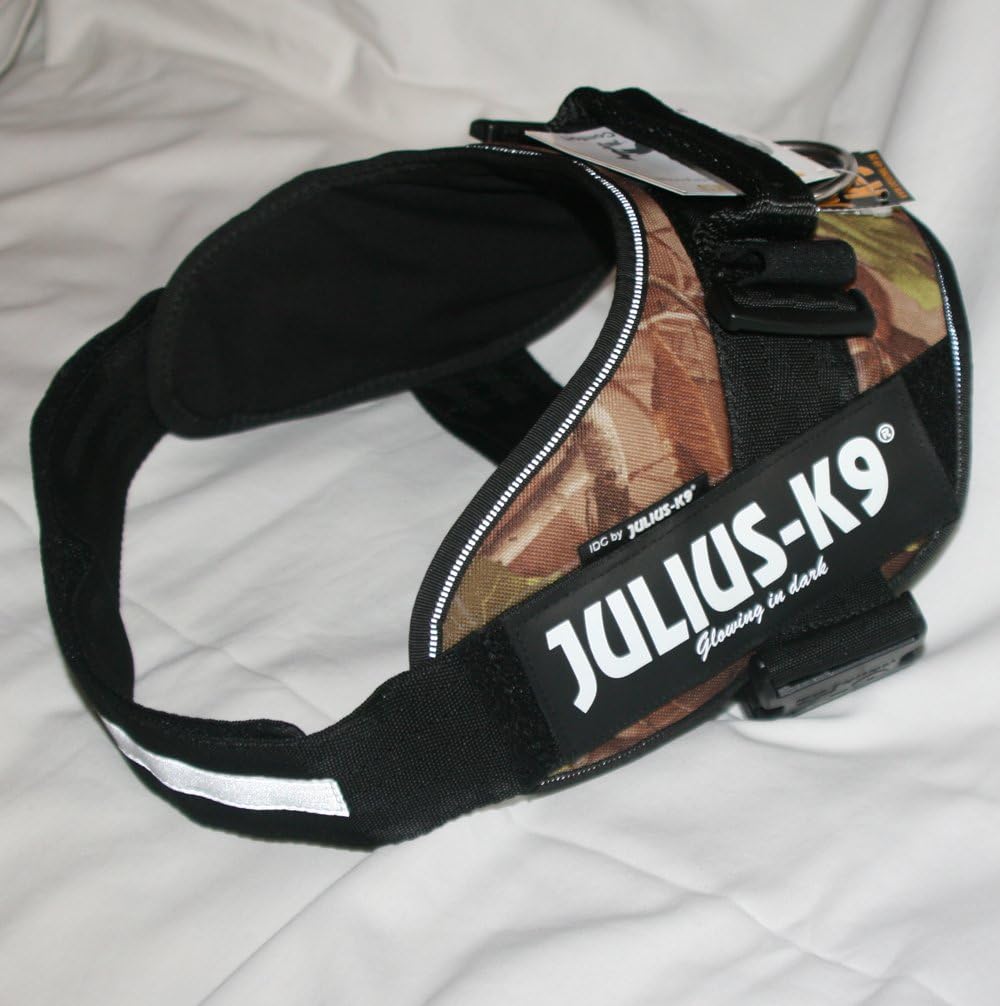
Julius-K9 IDC
This is the harness I recommend when nothing else works.
Chest strap can rub under front legs on deep-chested dogs
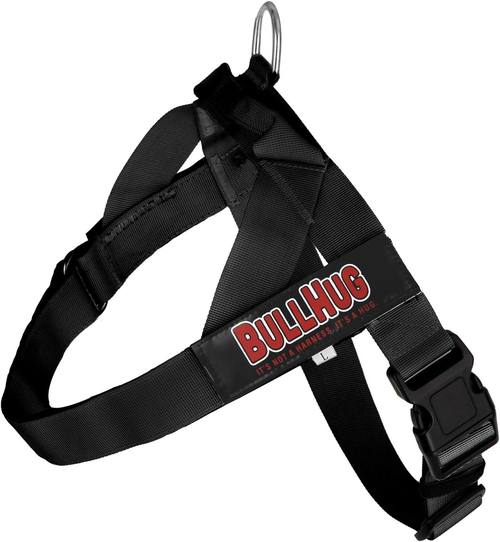
BULLHUG Adjustable Dog Harness– No Pull, No Choke – for English Bulldogs,...
If your dog has slipped every harness you've tried, if you have a Shar-Pei or a barrel-chested dog that backs out of anything...
Non-adjustable neck hole fails barrel-chested dogs
Prices and availability were captured from Amazon Creators API and may change.
I took these two harnesses through a full week with Bruno, my 90-pound German shepherd who has pulled me off my feet twice, and Kira, my 65-pound shepherd who can slip anything with a plastic buckle. I fit them on three body types in my shop: a deep-chested dog, a slim dog, and a barrel-chested pit bull mix that a client brought in for a session.
I measured strap width with calipers. The Julius-K9 chest strap comes in at about 2 inches, which is substantial. The Kurgo is narrower. I checked the buckles. The Kurgo's are heavy-duty metal that don't bend under pressure. The Julius-K9 uses plastic on some sizes, which is a point against it.
Then I did the real test. I put each harness on a reactive shepherd during a busy Saturday morning walk. Squirrels, strangers, a skateboarder, a lunging moment at a passing dog. I watched how each harness held when the dog hit the end of the leash. I timed how long it took to get each harness on and off. I grabbed the top handle mid-lunge to see if it held.
Here's what I learned.
Analysis & Test Results
Fit is the whole game. A harness that doesn't fit isn't a harness, it's a hazard. The Julius-K9's adjustable neck hole and deep chest piece mean I can get a snug fit on a dog with a barrel chest and a skinny neck.
The Kurgo's neck hole isn't adjustable at all. One buyer wrote: "The neck-hole isn't adjustable at all, my dog has a big ribcage but skinny everything else, and the front end of the harness moves around a lot while he is wearing it." I saw exactly that on the pit bull mix.
The harness shifted forward, the front clip lost its angle, and the dog pulled straight through it.
Escape-proof is conditional. The Julius-K9 earns the label. The deep chest piece sits behind the front legs, the neck is snug without choking, and the straps don't shift when the dog pulls. A service dog handler wrote that their dog "could not escape the IDC harness," and they'd used it daily for four years.
That matches what I've seen. The Kurgo doesn't earn the label. One buyer reported: "If my dog gets super riled up he is able to back out of this harness and slip away." The non-adjustable neck creates a gap a determined dog can exploit.
Hardware matters. The Kurgo's metal clasps are the best in this price range. One buyer said: "The clips are not plastic they are a heavy duty metal that will not break." They'd "gone through so many harnesses just because he chews off the fasteners." I've seen that exact pattern in my shop. Dogs that chew through plastic buckles in under a minute. The Kurgo solves it.
The front clip is the difference maker. The Kurgo has one. The Julius-K9 IDC doesn't. The front attachment redirects a pulling dog's momentum sideways, and multiple buyers confirmed it: "The front attachment really helps your dog stop pulling." I've used it on my own reactive shepherd. It works. For a dog that pulls, that's a real limitation on the Julius-K9.
Ease of use is underrated. The Julius-K9 goes on and off super easy. You slip it over the head and clip. No threading legs through anything. For a squirmy 100-pound Anatolian Shepherd, that's the difference between a pleasant morning walk and a wrestling match. The Kurgo is a step-in design, which is fine for most dogs but harder for dogs that hate having their paws touched.
Julius-K9 IDC: Best Overall
This is the harness I recommend when nothing else works. I've seen it on Shar-Peis that slipped every other harness on the market. One reviewer put it perfectly: "He could not escape the IDC harness." The deep chest piece and snug fit make backing out nearly impossible.
The construction is genuinely premium. One service dog handler said they'd used it daily for four years and it was "still in really great condition." That matches what I've seen. The canvas holds up, the stitching survives, and the Velcro patch system is a nice touch.
You can customize it with glow-in-the-dark patches or one that says "I rescued my human." That's not vanity.
It's a tool for signaling that your dog is working or in training.
The top handle is well positioned and durable. I've grabbed Bruno by it mid-lunge and it held. I use it for vet visits, for pulling a dog back from a curb, for grabbing a dog before it bolts.
But it's not perfect. The strap under the chest can rub under the front legs. One service dog handler noted it, and I've seen it on dogs with deep chests. And there's a durability question. A Spanish buyer reported the harness split after about four months. That's not the norm, but it's worth knowing.
Sizing can be confusing. An English bulldog owner ordered a size 1 for a 35-pound puppy and found it waaay too big. The medium/0 fit perfectly. Measure your dog, not your guess. And check your leash clip. Some of the new-style clips don't fit over the ring.
At about $45, that's less than three cents a walk if it lasts four years. If your dog slips every harness you've tried, this is the one.
Kurgo Go-Tech: Best Hardware
The metal clasps are the headline, and they're genuinely great. "The clips are not plastic they are a heavy duty metal that will not break." I've seen dogs chew through plastic fasteners in under a minute. This one survives. One buyer said they'd "gone through so many harnesses just because he chews off the fasteners," and this one held.
The front clip works for pulling. Multiple buyers confirmed it: "The front attachment really helps your dog stop pulling." I've used it on my own reactive shepherd, and it makes a difference. The top handle is another win. Quick grabs, seatbelt attachment, control in a pinch.
The no-pinch design is great for long-haired dogs. No clips that grab hair or pinch skin. That's a real problem with other harnesses.
But the neck hole isn't adjustable, and that's a dealbreaker for a lot of dogs. "The neck-hole isn't adjustable at all, my dog has a big ribcage but skinny everything else, and the front end of the harness moves around a lot while he is wearing it." I've seen this exact problem in my training. A harness that shifts and slides is a harness that doesn't control the dog.
Pit bulls have it especially bad. "It was the right size on the waist, but was entirely too big on her chest and she almost pulled right out of it." Another pit owner had to "sew it smaller" until the dog grew into it. That's not acceptable for a $40 harness.
And a dog can still back out of it. "If my dog gets super riled up he is able to back out of this harness and slip away." That's true of almost every harness, but it's still a risk.
Sizing is hit-and-miss. A 20-pound terrier mix needed a medium, possibly a large, because of his ribcage. Measure before you buy.
This is for dogs with standard proportions. An American Eskimo, a lab with a normal chest, a dog that doesn't have a barrel chest and a skinny neck. If your dog chews plastic buckles, this is the one.
What Else to Consider
If the Julius-K9 and Kurgo don't fit your dog's body type, there are other options worth a look.
The budget pick: A basic no-frills step-in harness with plastic buckles. Fine for a 20-pound dog that doesn't pull. Don't trust it with anything over 50 pounds.
The storage king: A harness with a built-in seatbelt tether for car rides. Useful if you drive with your dog daily, but the tether adds bulk and gets in the way on walks.
The fashion option: The Instagram brands with the pretty colors and the $60 price tag. They look great on a perfectly proportioned golden retriever. They chafe, they slip, and the plastic buckles fail. Avoid them.
Should You Buy the Julius-K9 IDC?
If your dog has slipped every harness you've tried, if you have a Shar-Pei or a barrel-chested dog that backs out of anything with a loose neck, buy it. It's the best escape-proof design I've tested. The chest strap can rub on some dogs, so check the fit under the front legs.
And check the discounted colors before you buy. The price varies by color, and you can save real money by picking a less popular one.
Should You Buy the Kurgo Go-Tech?
If your dog chews through plastic fasteners and you're tired of replacing harnesses every two months, buy it. The metal clasps are nearly indestructible. But if your dog has a big chest and a skinny neck, the non-adjustable neck hole is a dealbreaker.
The harness will shift, the front clip will lose its angle, and your dog will pull straight through it.
If your dog has a standard body shape, this is a solid choice.
The transition from collar to harness takes about a week. Put the harness on for five minutes at a time, give treats, let the dog wear it around the house before you even attach a leash. The Julius-K9 goes on and off super easy, which helps.
The Kurgo takes more work if your dog hates having its paws touched. Both will stop the collar choking that's been making walks miserable.
That's the whole point.