Related: How to Measure a Dog for a Harness Without Guessing
I fit harnesses for a living. Eight years at a shelter working with reactive and pulling dogs, then my own training business, and somewhere past three thousand fittings I stopped being surprised by the same scene: an owner walks in with a dog dragging them across the parking lot and a harness still sitting in the bag, because the sizing chart on the box made no sense to anybody.
A no-pull dog harness is a training tool. It is not a costume, and it is not a cure. What it does is give you an attachment point that turns your dog's forward momentum sideways instead of letting them lean into the pull, and that mechanical trick is the entire reason front-clip designs work at all. It only works if the harness fits. A front clip on a harness that slides two inches to the left is just a back clip with extra steps.
Most dogs need two harnesses, one for walking and one for the car, and the industry pretends one product does both. The four below cover those jobs between them, from a padded everyday walker to a car seat belt setup to a heavy-duty puller rig. I do not print prices here, because listings move every few weeks, and I would rather you look at the live page than at a number I wrote down in September.
Best Overall: Ruffwear Front Range Dog Chest Harness
Price: Check current Amazon price.
This is the harness I recommend first to owners who want one walking harness that will still be doing its job three years from now. Ruffwear earned its reputation in the training world, and the Front Range is the model that carries it: a padded everyday harness in Basalt Gray, sized Large/X-Large, with the clean webbing and stitching that survives a hundred washes instead of a dozen.
Here is what I look at when a padded harness lands on my fitting bench. First, the padding. If it shifts under your thumb after a month, it will rub a raw spot under the armpit, and no amount of adjusting fixes padding that has already migrated. Second, the hardware. Anything that carries the leash should be metal, and the attachment points should sit where they were designed to sit after you tighten the straps, not an inch forward of that. Third, the fit points: chest strap across the breastbone, shoulder straps clear of the front legs, girth strap behind the ribcage.
The Large/X-Large range covers a lot of shepherd, lab, and mixed-breed builds, which is also the problem. Two dogs that both tape out inside the range can need different straps. Measure the girth at the widest point behind the front legs, then measure the chest depth from the top of the shoulder to the breastbone, and use the brand's own chart rather than a general size guide from somewhere else.
One more thing about the Front Range: it is a walking harness, not a crash-tested car restraint. If your dog rides with you, read the car section below.
Best for Car Rides: Lukovee Dog Car Harness Seat Belt
Price: Check current Amazon price.
This is the car harness I point people toward when they tell me their dog rides loose in the back seat. The Lukovee is a harness and seat belt in one, with a 2 in 1 buckle that lets you leave the harness on for the walk and clip straight into the seat belt when you get back in.
Two things to understand before you buy anything in this category. First, the United States has no federal crash test standard for pet restraints, so nobody is handing out safety ratings here. Treat a car harness as containment. It keeps your dog from becoming a projectile in a hard stop and keeps them out of your lap while you drive. That is worth a lot. It is not the same as a tested child seat, and any listing that implies otherwise is selling you a feeling.
Second, a car harness and a walking harness are different jobs. A walking harness spreads pull across the chest. A car harness has to hold a body against a sudden deceleration, which means the straps need to sit low and snug, not loose and comfortable. If you use one harness for both, you end up with a walking harness that is too tight in the car or a car harness that rubs on the trail. Most dogs need both, and this is the car half.
Measure the girth and check that the buckle you clip into the seat belt is the same style your car's receptacle takes. That last detail is where most people get surprised.
Best for Heavy Pullers: No Pull Tactical Dog Harness with Aluminum Neck Buckle
Price: Check current Amazon price.
The detail that matters in the name here is the aluminum neck buckle. On a big dog, the neck buckle is the single most stressed piece of hardware on the harness, because it is the one you open and close every single time, in the cold, with a leash already wrapped around your wrist. Plastic buckles on dogs over forty pounds are my oldest complaint, and I have watched more than one let go under a leash pop. Aluminum at the neck is the right call, and it is exactly the kind of upgrade I expect to see spread across the budget tier in the next couple of years.
This is a Large tactical harness with a top handle, which is a genuine tool if you work with a reactive dog. The handle gives you a second point of control when a dog lunges, and it lets you lift a dog over a log or into a truck bed without grabbing the straps. The warning that comes with any handle: it is for control and for lifting, not for hanging your dog in the air when they are already panicking. A handle used wrong turns a harness into a punishment.
Fitting notes for a big dog in this style. Tactical webbing runs heavy and stiff at first, so adjust the chest strap so it sits across the breastbone with two fingers of slack, and check it again after the first three walks. Stiff webbing relaxes as it breaks in, and a harness that was perfect in the kitchen is suddenly loose on the sidewalk. Also confirm where the leash attachment lands. If it ends up under the armpit, the harness is too far forward or the chest strap is too short.
Best for the Dog Who Backs Out: Julius-K9 IDC Powerharness, Size XL/2, Dark Purple
Price: Check current Amazon price.
There is a whole category of dog that treats a harness as an escape room. They plant their feet, drop a shoulder, and reverse straight out of a harness that fits perfectly by every measurement. The Julius-K9 IDC Powerharness is the answer I give those owners, because the wide chest plate and the strap geometry behind the shoulder make that reverse move genuinely hard.
Julius-K9 is a European brand and the sizing reflects it. XL/2 is not the same thing as an American XL, and this is where a lot of returns come from. Measure the girth, measure the chest depth, and then use the brand's own chart rather than the size you buy in a different company's harness. A dog can be a Large in one brand and an XL/2 here without either company being wrong.
The Dark Purple is a practical choice as much as an aesthetic one. Pale and pastel webbing looks great in the product photos and turns a sad gray by February in this part of the country, and purple hides trail dust, mud, and the general gray of a wet winter better than most. I check the stitching and the hardware on any harness before I trust it with a puller, and this is a brand that has been in the training world long enough that the design has been through real dogs, not just a photo shoot.
How I evaluate a harness
Every harness I put my hands on goes through the same four checks, and none of them require a lab.
The hardware check comes first. Metal attachment points, metal or high-grade buckles at the load points, and a neck buckle that does not flex when you squeeze it. Buckle burst strength is not a number on the box, but you can feel the difference between a buckle with a solid mechanism and one with a thin tongue that wiggles. I have bent plastic D-rings with my thumb. That is my whole test.
The webbing check is second. Strap webbing that feels like a seat belt is good. Webbing that feels like a ribbon from a gift box is not, no matter how pretty the color. Wide webbing spreads load, narrow webbing concentrates it, and on a pulling dog that difference shows up as a red line across the chest after a long walk.
The fit check is third and it matters more than the first two combined. Chest strap across the breastbone. Shoulder straps clear of the front legs. Girth strap behind the ribs, not on them. Two fingers of slack everywhere, and a leash attachment that does not slide under the armpit when the dog turns. Fit is eighty percent of the outcome, and the best harness in the world fails on a dog it does not fit.
The padding check is last. Padding that stays put is worth paying for. Padding that shifts after a month is worse than no padding at all, because now you have a seam rubbing a spot that was previously fine. If a padded harness starts migrating on week four, it goes in the donate pile.
What the hardware tells you
The twenty to forty dollar range has real winners now, and I say that as someone who spent years telling clients to save up for the expensive stuff. The gap has closed because the factories that build the mid-tier harnesses upgraded their buckles and their webbing, and the premium tier is often the same nylon with a better website and a nicer box.
Where the money still shows is in consistency. A training brand that has been around for decades has a quality control process, which means the harness you get is the harness they designed. An Instagram brand with a beautiful landing page and a six-month history is selling you a photo. I have seen too many of those fade to gray in one winter and split at the seam in two.
The car segment is the one I would watch. As more people ask hard questions about what happens to a dog in a crash, this category is going to grow fast, and the brands that publish real information instead of vibes will be the ones left standing.
The harness comparison table
| Harness | Where it earns its place | Hardware to check | Sizing | Price |
|---|---|---|---|---|
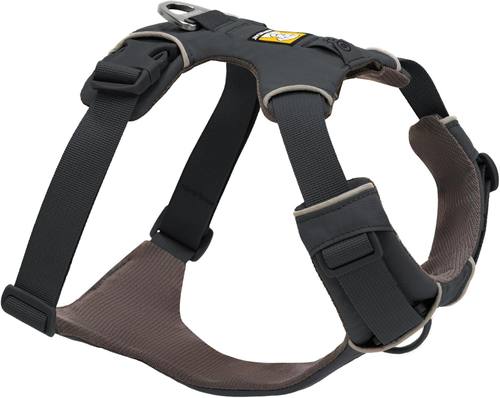 Visit on Amazon → Visit on Amazon →Ruffwear Front Range Dog Chest Harness |
Everyday walking and training | Attachment points, padding that stays put | Large/X-Large | $59.99 |
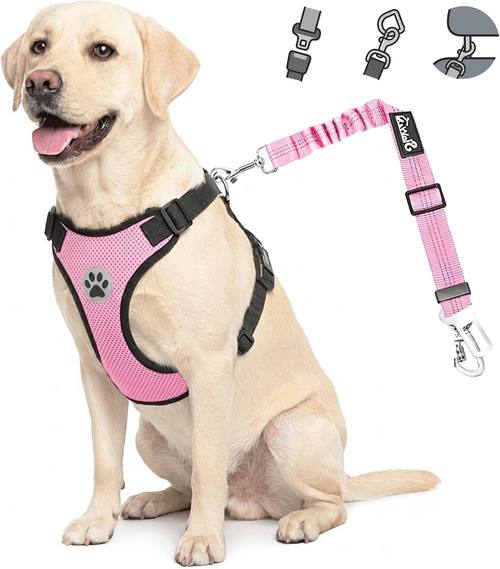 Visit on Amazon → Visit on Amazon →Lukovee Dog Car Harness Seat Belt |
Riding in the car | The 2 in 1 buckle and the seat belt fit | Girth measurement | Check current Amazon price |
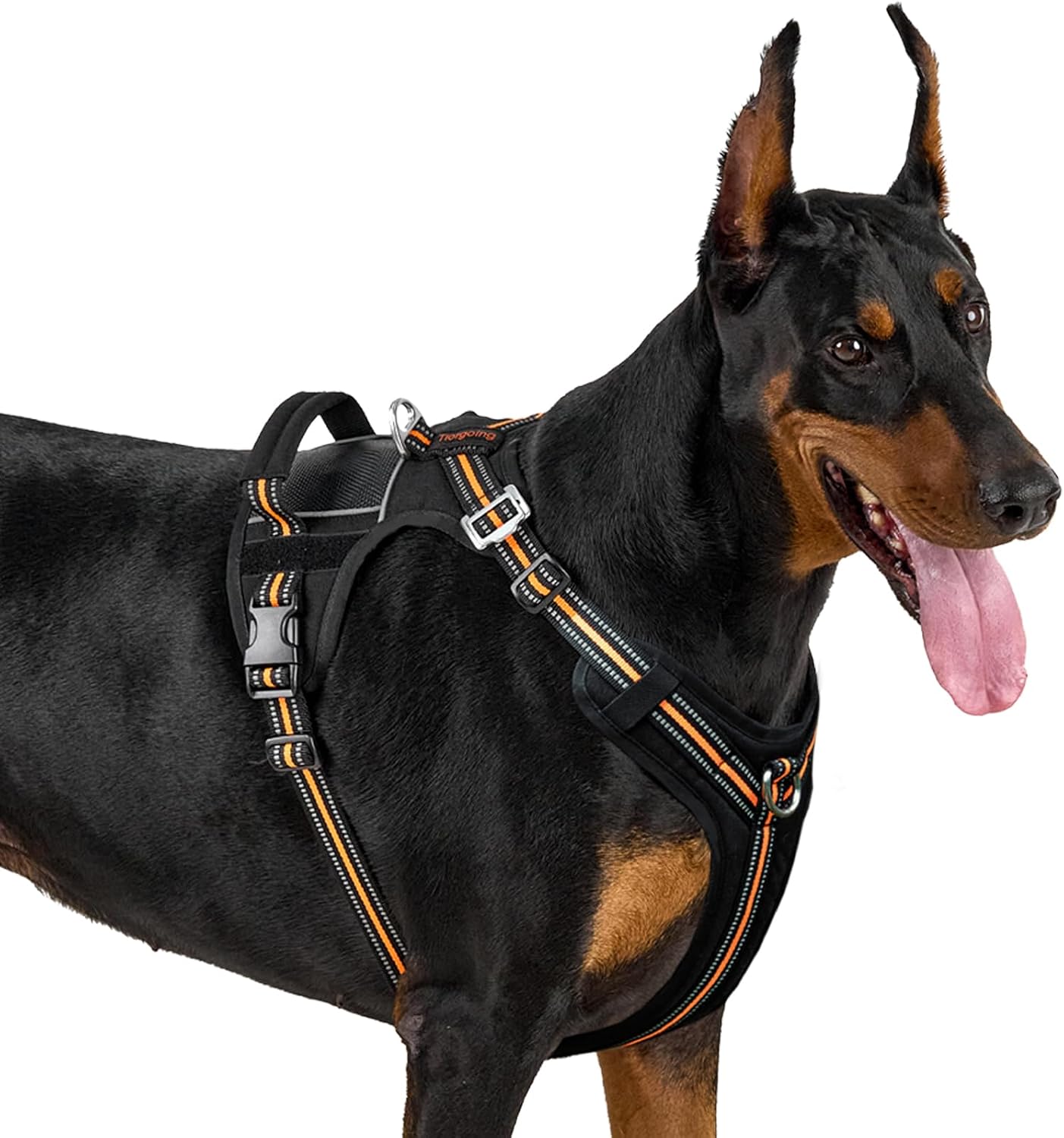 Visit on Amazon → Visit on Amazon →No Pull Tactical Dog Harness Aluminum Neck Buckle with Handle |
Strong pullers and reactive dogs | Aluminum neck buckle, top handle | Large | $39.99 |
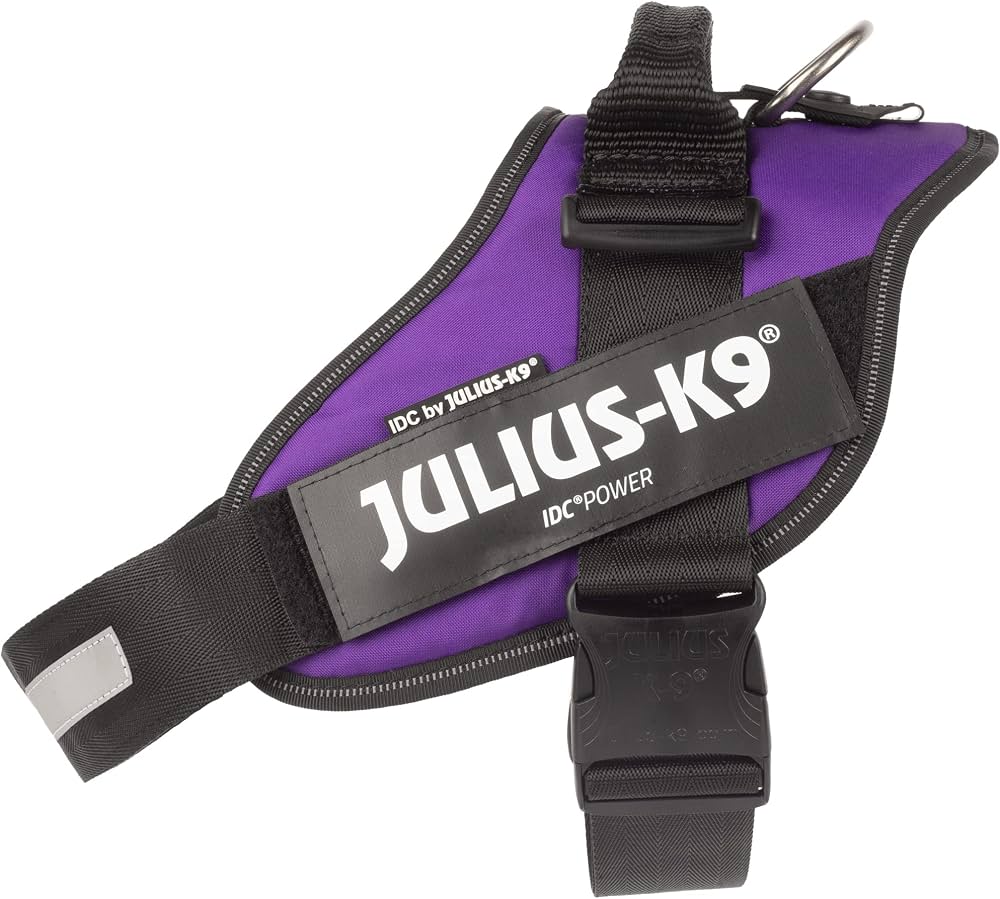 Visit on Amazon → Visit on Amazon →Julius-K9 IDC Powerharness |
Dogs who back out of harnesses | Chest plate geometry, stitching | XL/2, European sizing | $64.99 |
The pattern in that table is the one I keep coming back to with clients: pick the harness for the job, not for the color. A car harness that fits beautifully is still the wrong tool on a Saturday walk with a reactive shepherd, and a padded walking harness is not a restraint.
Should you buy the Ruffwear Front Range Dog Chest Harness?
Yes, if you want one harness that handles the daily walk and does not need replacing next spring. Ruffwear earned its reputation in the training world, and the padding and webbing on this model reflect that. Size Large/X-Large, so measure the girth and the chest depth and follow the brand chart. A front attachment point only helps when the chest strap is snug, and a harness that slides sideways gives you nothing.
Should you buy the Julius-K9 IDC Powerharness?
Yes, for the escape artist. If your dog has backed out of two other harnesses, this is the design that stops it, and the Dark Purple hides a wet winter better than the pale stuff. Just respect the European sizing. XL/2 does not mean XL everywhere, and the returns are painful when you guess. Measure, check the chart, and if you are between sizes on a growing dog, that is a conversation about waiting two weeks rather than buying twice.
Should you buy the Lukovee car harness or the tactical no-pull harness?
Both, if you have a big puller who also rides in the car. The Lukovee is containment in the back seat and the tactical harness with the aluminum neck buckle is what you put on for the walk, especially if you need a handle for a reactive moment. A harness is a training tool, and a tool that does two jobs badly is worse than two tools that each do one job well. Fit both properly, check the hardware with your own hands, and keep training the loose leash walk, because no harness on this list will do that part for you.